articles

Some of the links on this website will earn an affiliate commission – at no extra cost to you. Without these affiliate commissions, I could not have kept this website running - I want to thank everyone that has supported me! Full details can be found at the Terms & Conditions Page

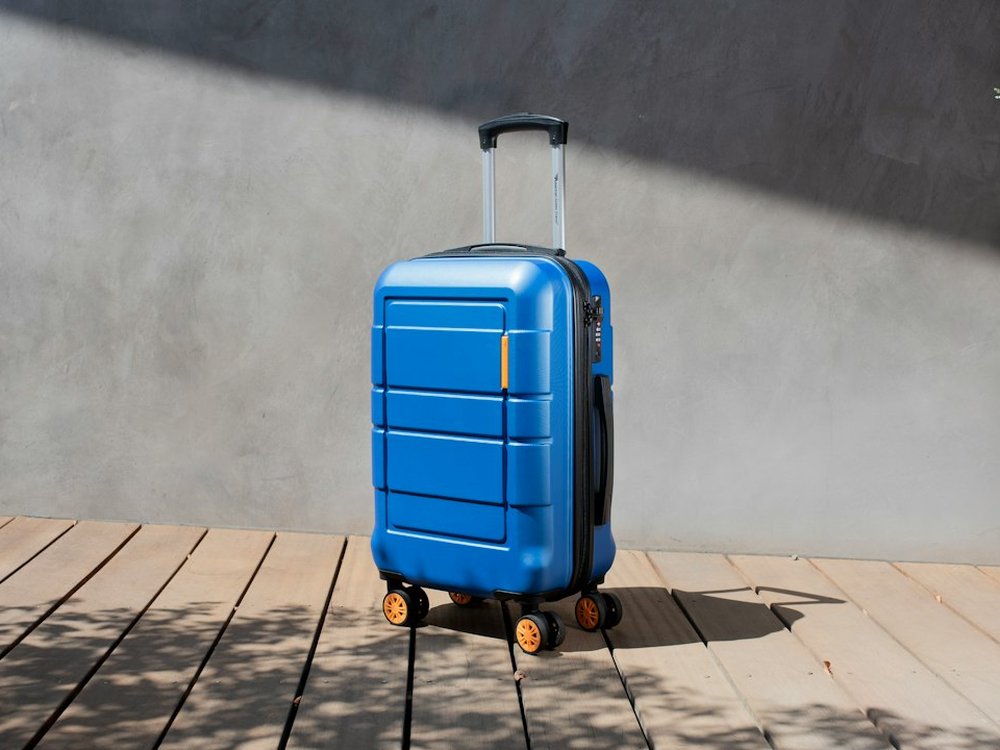
Best Carry-On Suitcases With Wheels

Samsonite wheeled carry-ons suit travellers seeking compact, durable luggage for airport travel, rated 3.5/5 on Trustpilot from 6,296 reviews. The Proxis 55cm spinner costs $359 with free personalisation and four-wheel spinners that navigate crowded terminals smoothly. However, out-of-warranty wheel replacements cost $9–$50 plus $5 shipping, and Samsonite's standard warranty excludes wear and tear damage.


Your carry-on suitcase wheels count toward the airline's size limit. That's the first thing to know. Most airlines—including those following TSA guidance—measure your bag's outermost dimensions, which means the wheels, the handle, even the bottom glides all add to the total. A case that looks compliant can still fail the sizer at the gate.


The good news: quality wheeled luggage like Samsonite's Proxis Spinner (55cm, $359.00) is engineered to fit within those limits *and* roll smoothly through terminals. This guide walks you through the standards, the wheel types that matter, how to replace them when they wear, and which features actually solve the problems travellers face. By the end, you'll know exactly what to look for when you're standing in front of a luggage display with a flight to catch in two weeks.


Best Carry-On Suitcases With Wheels
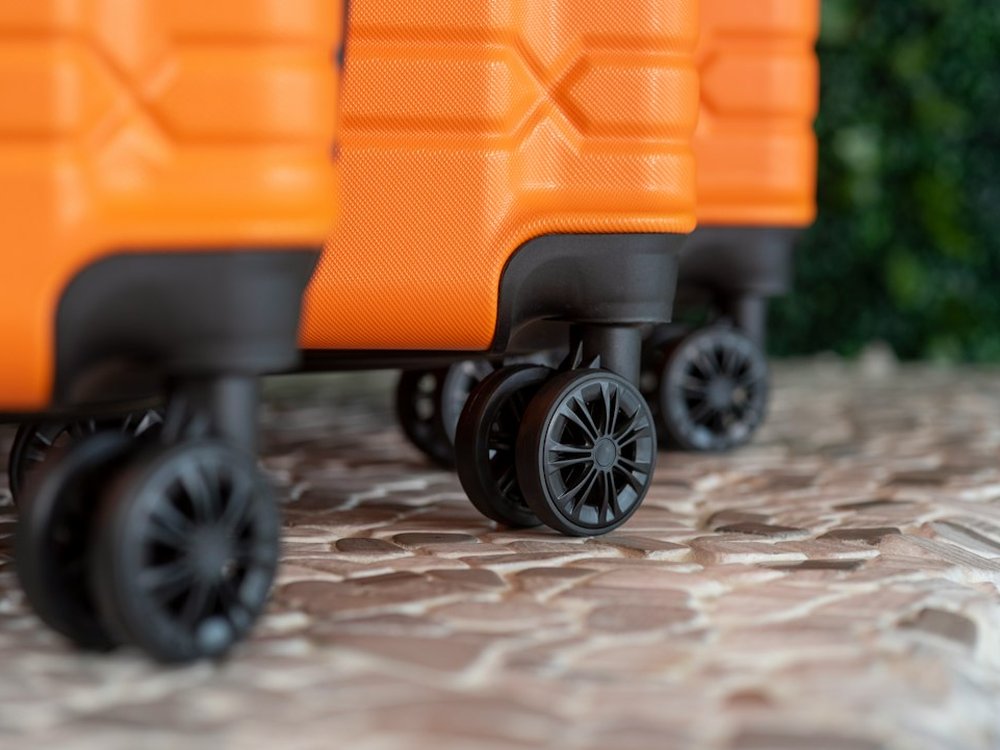
Carry-on luggage typically refers to a roller bag small enough to fit in the overhead bin or under the seat in front of you. The TSA doesn't set the limit—that's up to individual airlines. Most US carriers use approximately 22 by 14 by 9 inches, though Southwest allows 24 by 16 by 10. All measure wheels as part of the total. Outside the US and Canada, many international airlines use similar limits (around 55 by 35 by 20cm), though policies vary by carrier and wheels are typically included.


Why wheels matter: a quality 4-wheel spinner (the kind that rotates 360 degrees) glides beside you as you walk, distributing the weight evenly. You're not tilting and pulling like you would with a 2-wheel inline bag. That's a small thing until you're in a crowded terminal at 6 a.m., and then it's everything. Samsonite's wheeled carry-on cases come with either spinner or inline wheels, depending on the model. The Proxis Spinner expandable case (55cm) and the C-Lite Spinner (55cm, $379.00) both use 4-wheel designs; the Re-Lite Upright underseater offers 2 inline wheels if you prefer a more compact profile.


Most Samsonite carry-on cases sit well within international limits—the 55cm size is designed specifically for this. They're rated 3.5 out of 5 on Trustpilot from 6,296 reviews. The wheels are the first thing to wear after repeated trips, which is where Samsonite's durability warranty matters (more on that next). A good carry-on isn't just about fitting the dimensions; it's about rolling smoothly enough that you arrive at your gate without wishing you'd checked the bag instead.
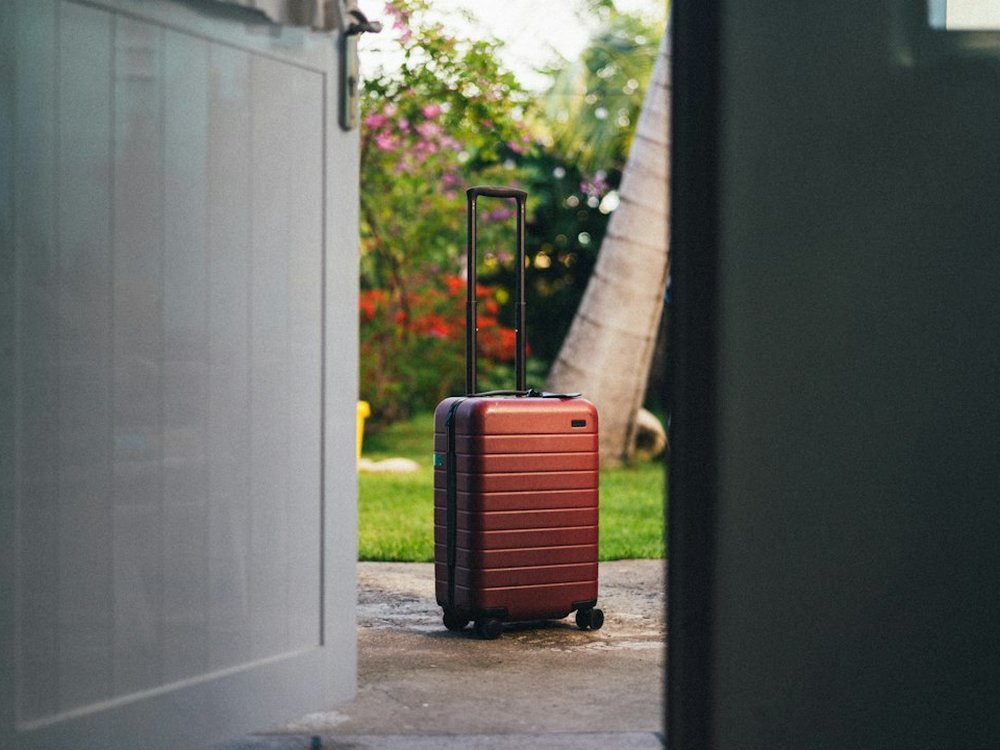
Wheel Replacement & Durability

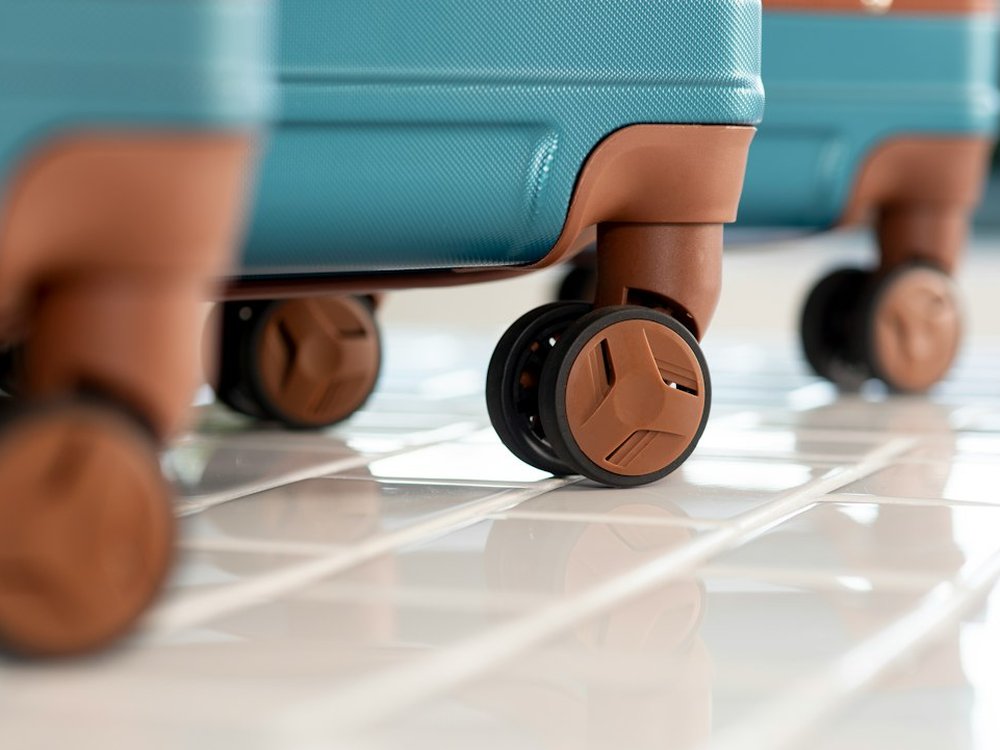
Here's the catch: carry-on wheels *will* eventually need replacing. The good news is that Samsonite's wheels are designed for replacement without specialist tools. Most carry-ons have wheels that screw on—you'll need only a Torx screwdriver, which Samsonite includes with every spare part order.


Under Samsonite's Wecare benefit (included with models like the C-Lite, Proxis, and Nexis), wheel replacement is free of charge while the product is still under its 10-year warranty. Use the product ID on your warranty card to order replacements via Samsonite's Support & Go service, and the company emails you video guides for self-fitting. The spare parts ship free within Europe while the warranty is active. Out-of-warranty wheel replacements cost $9 to $50 per part plus a $5 shipping fee.


One honest weakness: Samsonite's warranty excludes normal wear and tear, which can sometimes include wheels that simply wear out from regular use. A few Trustpilot reviewers reported that Samsonite denied their claims because the damage was classed as wear rather than a defect. Premium models with Wecare may cover structural wheel failures, though normal wear and tear remain explicitly excluded. The Easy Brake System built into most Samsonite spinners is a small but useful feature. It locks the wheels when the bag is set down, preventing unwanted rolling on slopes, train floors and check-in queues.

Do Carry-On Size Limits Include Wheels?

Yes. Most airlines measure a carry-on's outermost dimensions, so wheels, handles, bottom glides, and side pockets all count toward the total. If you're flying within the UK or to Europe, you're almost certainly on an airline that measures this way. US carriers traditionally have been more lenient—some older policies excluded wheels—but the modern standard across major US airlines (United, American, Southwest, JetBlue) includes them in the measurement.


A Samsonite 55cm cabin case advertises its dimensions as 55 by 40 by 20 to 23 centimetres (the last figure accounts for handle and wheel depth), and the company lists this as including wheels, handles, bottom glides and side pockets. You can measure your packed bag at home with wheels and handle extended, then compare that to your airline's sizer. Smaller 18-inch bags sacrifice packing space for under-seat fit on some carriers. Check your airline's specs: a 20-inch model fits most overhead bins, while a 22-inch sits just at the limit for larger aircraft.


Soft-sided luggage (like some Samsonite expandable models) compresses slightly when loaded into a sizer, which can make the difference between a pass and a fee. If you're within millimetres of the limit, a soft case gives you a fraction of extra room. Hard-sided cases don't flex, so they're either in or they're not.

4-Wheel vs. 2-Wheel Design

A 4-wheel spinner works beautifully in airports and smooth terminals, though on very rough ground a 2-wheel design can actually perform better. You're steering with your wrist, not hauling with your shoulder. A 2-wheel inline bag demands tilting and pulling—it distributes weight differently and works better if you're moving slowly through an airport or need to set it down without it rolling away on a slope.


Wheel diameter makes a real difference—larger wheels handle airport floors, tarmac cracks and rough ground far better. Larger wheels (2.5 to 3 inches) roll over rough airport floors, tarmac damage, and cobblestone streets more smoothly than tiny 1.5-inch wheels. Samsonite's spinner models use 2.7-inch wheels, which fall into this solid middle ground. The spinner design also rotates 360 degrees, so you navigate crowded aisles without swinging the case around—especially useful when boarding an aircraft with narrow aisle spaces.


If you prefer a minimalist carry-on that fits under the seat, a 2-wheel inline bag keeps the profile thinner and lighter (the Re-Lite Upright underseater weighs just 1.8kg and costs $179.00). The trade-off is that tilting becomes tiresome over a long terminal walk. For most travellers with a two-week holiday ahead, the 4-wheel spinner design is worth the extra couple of centimetres.

Carry-On Suitcases With Special Features

Some travellers want a bag that works both as a roller and as a hands-free backpack. Samsonite's Modern Utility Convertible Wheeled Backpack has zip-away shoulder straps that transform it from a wheeled carry-on into a backpack when you need both hands free. Others prefer wheels that don't jut out—Samsonite's low-profile designs keep the luggage thin enough to slide into seatback storage pockets on smaller aircraft.


Dual-strap systems are useful if you're moving through a city, a metro station, or hiking to your accommodation. Retractable handles work with wheel design to minimise the overall thickness of the case when packed. Kid-friendly models let younger children ride on the bag while a parent pulls it—a surprisingly practical feature for long airport security lines and boarding queues. Note that airline policies on ride-on luggage vary, so check ahead with your carrier.

Carry-On Luggage: Common Questions

Where can I buy a carry-on suitcase with wheels? Samsonite is available online through its shop and major travel retailers nationwide. Look for free personalisation on selected models like the Proxis 55cm and C-Lite 55cm—at the time of writing, these offers are listed on the Samsonite UK site, though availability changes.


What sizes are available? The most common carry-on sizes are 18, 20, and 22 inches (or 45, 50, and 55 centimetres). The 20-inch and 55cm models are the sweet spot for most passengers—they fit overhead bins on most aircraft while giving you reasonable packing space.


Is black the best colour for frequent travel? Black is the most practical for business travel because it hides wear and dirt. That said, Samsonite carries dozens of colours, and your preference matters more than the logic. I learned this the hard way: bright luggage stands out instantly; black blends into a carousel of identical bags.


Can I take shoes in carry-on luggage? Yes. Shoes fit easily in the main compartment or overhead bin. There's no restriction on shoes in carry-on luggage—the limits are on liquids, sharp objects, and certain tools.


What if I need replacement wheels? Contact Samsonite's Support & Go service using your product ID. Under Wecare, replacement is free. Out-of-warranty replacements carry a charge—see the durability section above for costs. Video guides for self-fitting are emailed when you order.


For more on Soulful Travel Guy, read Iberia Lounge Madrid Airport: Bright, Big, Worth the Trek and How do you get to Gatwick airport from London?.