
Some of the links on this website will earn an affiliate commission – at no extra cost to you. Without these affiliate commissions, I could not have kept this website running - I want to thank everyone that has supported me! Full details can be found at the Terms & Conditions Page

With time, military units have to undergo modernization. Japan is no exception. But even after going through the process decades ago, Japanese officers were still required to carry traditional swords to remind them of their heritage. This resulted in the production of many swords by the end of World War II.
Today, these swords, known as Gunto, still hold a special place among collectors and historians. They carry the samurai's traditional legacy into a modern era.
So, how much could they be worth? The answer lies in examining various factors, including their condition, provenance, or market demand.
This guide explores what affects the value of WWII samurai swords, letting you understand their true worth.
What Are WWII Samurai Swords?
Before exploring value, let's first understand what WWII samurai swords are. Produced from 1935 to 1945, the military issued these weapons to Japanese officers. Unlike traditional Japanese swords, they were massively crafted to equip the Japanese military. However, they still possess distinct features similar to conventional samurai craftsmanship.
Types and Variants
There are various categories of WWII-era swords. The two key variants include the Shin-Gunto and the Kai-Gunto. The first variant was issued to the Imperial Japanese Army and it isn't rare. However, the Kai-Gunto are hard to find and have unique designs like fish-skin handles and complex metalwork.
Historical Significance
Many of the WWII swords have a fascinating history. Some were carried by Japanese officers through pivotal battles, making them valued artifacts for collectors. Their ties to a changing historical era add to their worth, making them not only collectibles but cultural and military heritage pieces.
Factors Impacting a WWII Samurai Sword's Value
The worth of samurai swords used in the World War is subjective. That means it varies depending on different factors. Let's break it down.
Authenticity and Provenance
A sword must be authentic for it to hold value. WWII samurai swords can be genuine or replicas, and knowing their differences is essential. Authentic swords have markings, or "mei." These inscriptions on the tang help to identify the swordsmith or arsenal. Some may even indicate the officer's family lineage, which helps to boost the sword's value.
Provenance, or the sword's documented history, can also add significant worth. If a sword was used by a high-ranking officer or is linked to a particular battle, that background can elevate its value, especially when backed by documentation.
Sword Condition and Maintenance
The condition of a WWII samurai sword plays a significant role in its valuation. Collectors and appraisers examine the blade's sharpness, rust presence, and overall wear. A sword in pristine condition will fetch a higher price than one with visible damage or rust.
Maintenance practices matter, too. Swords that have been regularly cared for maintain their value over time using traditional methods. Regular blade oiling and careful storage in a cool, dry place are essential for preserving these artifacts.
Rarity and Sword Type
Like all collectibles, rarity can impact a WWII samurai sword's value. Specific sword types, like those used by high-ranking military officers, are hard to find. Collectors often prize unique designs featuring high-quality craftsmanship.
Additionally, swords bearing unique metalwork or rare handle materials may fetch higher prices. Swords tied to elite military units or limited editions are rare and more expensive.
Market Demand and Current Trends
The WWII collector's market for swords constantly fluctuates, with demand impacting prices. Japanese military memorabilia is a favorite among collectors in countries like America and Japan. The demand for WWII samurai swords increases the value of memorabilia, especially for authentic pieces. Trends may change, but scarcity and historical value provide these swords with long-term worth.
The Worth of a WWII Samurai Sword
Before buying a WWII samurai sword in the Makoto Swords , it's necessary to understand its price. This can help you to adjust your budget. Prices vary widely based on the sword's condition and features and fall into these categories:
Entry-Level Swords
These are basic Shin-Gunto weapons with moderate wear. They fetch between $500 and $1,500 and are ideal for beginner collectors. The lack of proper details and historical documentation makes them less valuable.
Mid-Range Swords
These weapons have notable craftsmanship or rarity and sell for between $1,500 and $5,000. They may have minimal documentation, such as inscriptions or lineage markings.
High-End Swords
As the name suggests, these are high-quality WWII swords. Their pristine condition or solid historical background make them highly priced, ranging from $5,000 to $20,000. Swords bearing unique designs fall under this category.
Notable Sales and Examples
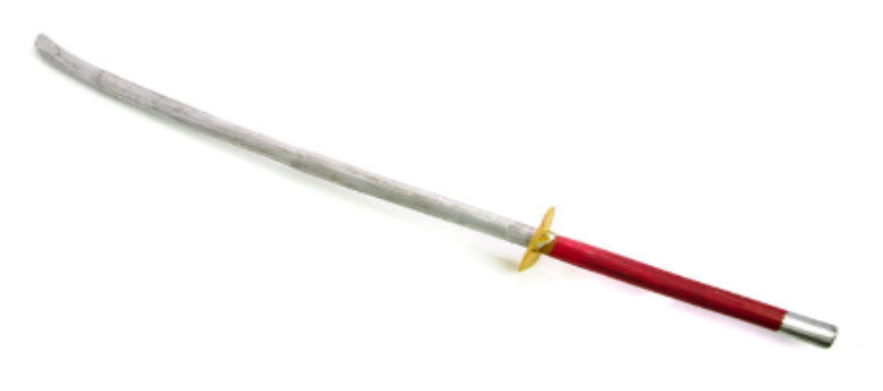
Some WWII samurai swords have sold for remarkable amounts at auction. For instance, swords owned by famous military officers or those with unique blade markings have been known to reach six figures. Examples illustrate these artifacts' significant value, especially when a sword has unique historical significance or is linked to prominent events.
Buying or Selling a WWII Samurai Sword
When trading the WWII samurai sword market, study and follow best practices to avoid pitfalls.
Where to Buy or Sell
You can trade WWII samurai swords through reputable auction houses or military collectors' fairs. Specialized online marketplaces are also excellent platforms to buy or sell swords. However, ensure to take precautious when purchasing online. These platforms have increased risk of counterfeit items. Ensure to seek verified auctioneers and sellers specializing in military collectibles to ensure authenticity.
Appraisal and Certification Services
Appraisal and certifications are critical when buying or selling WWII samurai swords. An appraiser can verify a sword's condition, authenticity, and estimated value. Special military historian certifications add credibility and enhance the sword's value on the market.
Conclusion
The historical significance of WWII samurai Masamune Swords makes them fascinating and valuable artifacts. Add that to exceptional craftsmanship and rarity; you have a sword passed over many generations. Many things determine a sword's worth but pay attention to its condition, authenticity, and current market demand. An authentic sword in pristine condition will command a higher price. Remember, seek professional appraisers and engage with trusted marketplaces to make well-informed buying decisions. Considering these factors puts you way ahead in appreciating the value of the prestigious WWII samurai sword.